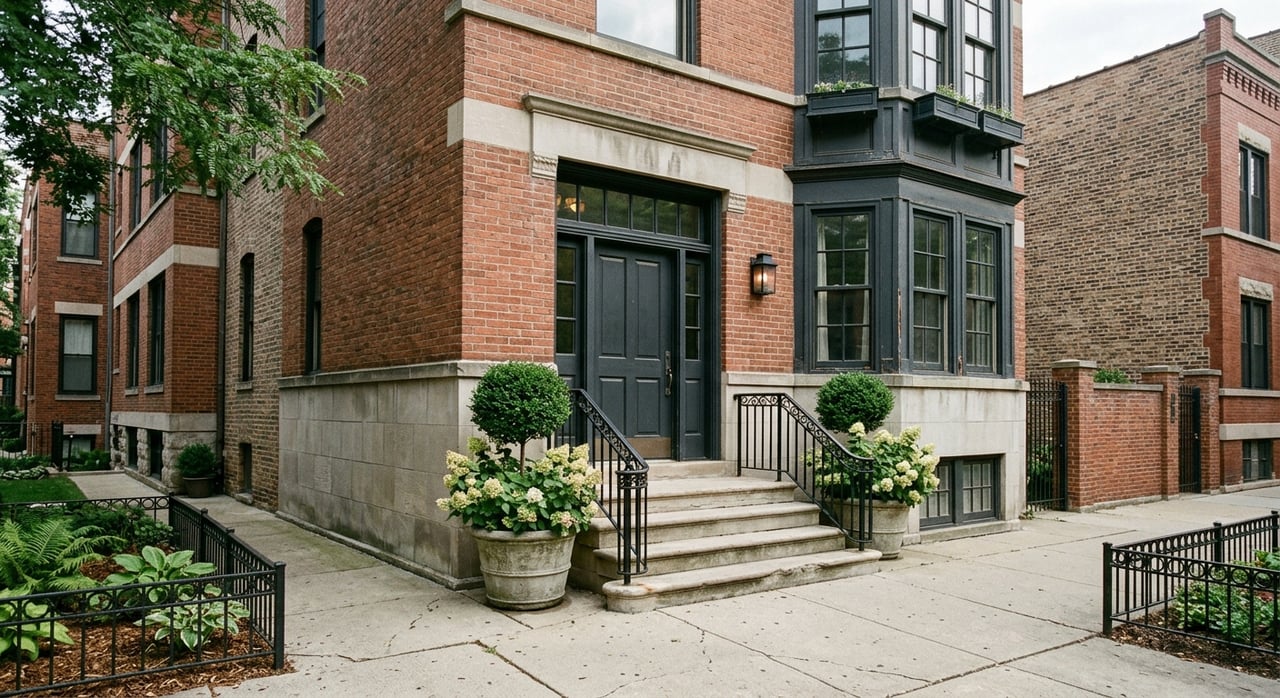
Buying a condo in East Lakeview can feel simple at first, until you realize you are not just buying a unit. You are also buying into a building, a budget, and a set of shared rules. If you want to make a smart move in this part of Chicago, it helps to know what to check before you commit. This practical checklist will help you focus on the details that matter most in Lake View East, from monthly costs and building records to parking, transit, and day-to-day fit. Let’s dive in.
Why East Lakeview condos need extra homework
East Lakeview is the shoreline-facing part of Lake View, within the broader North Side community area described by DePaul Housing Studies and local neighborhood sources. It is a dense, established part of the city where condo buyers are often comparing multi-unit buildings rather than detached homes.
That matters because the building itself plays a major role in your ownership experience. According to CMAP’s Lake View snapshot, nearly half of housing units are in buildings with 20 or more units, and a large share of the housing stock was built decades ago. In practical terms, that means monthly dues, reserves, maintenance planning, and building rules deserve close review.
Start with your true monthly budget
Many buyers focus on the mortgage payment first. That is important, but it is only part of the picture when you buy a condo.
The Consumer Financial Protection Bureau notes that the full cost of homeownership can include property taxes, insurance, repairs, HOA dues, closing costs, moving costs, furniture, and improvements. In condo buildings, HOA dues can range from a few hundred dollars per month to more than $1,000, so you want to test the full monthly number before you start touring seriously.
Monthly condo cost checklist
- Mortgage payment
- Property taxes
- Homeowners insurance, if applicable to your situation
- Regular HOA dues
- Utilities not covered by the association
- Parking cost, if separate from the unit
- Ongoing maintenance and repair savings
Know the difference: dues vs. special assessments
This is one of the most important condo buying distinctions. The CFPB explains that HOA dues are regular recurring payments to the association, while special assessments are separate building-level charges that can arise when major repairs or shortfalls need funding.
In other words, low monthly dues do not always mean a lower-risk building. If reserves are thin or major work is coming, you may still face a special assessment later.
Build your advisory team early
Even experienced buyers benefit from a second and third opinion. Condo purchases can involve legal documents, financing questions, building-level risks, and physical-condition concerns that are easy to miss if you rely on one source.
The CFPB recommends building a network of advisors and not relying on only one person for home-buying or mortgage advice. Your team may include your real estate agent, attorney, lender, inspector, and a HUD-certified housing counselor if needed.
Ask your team these questions
- What do the building documents say about reserves and upcoming capital projects?
- Are there any known insurance, litigation, or repair issues?
- What should the inspector focus on in the shared elements of this building?
- How do the building’s rules affect owner-occupants, renters, or investors?
- Is the parking situation clear and documented?
Review condo financing and building eligibility
Not every condo building is equally easy to finance. That is why it helps to look beyond your own loan approval and ask whether the building itself raises lender concerns.
Fannie Mae’s condo review guidance says lenders may review whether a project budget is adequate and whether replacement reserves are at least 10% of the budget, unless another acceptable reserve analysis supports the building’s funding level. Fannie Mae also notes that reserve studies are not always required, but they may still be used to evaluate the project’s financial and physical condition.
Watch for common financing red flags
According to Fannie Mae’s Condo Status Finder information, common project-eligibility issues include:
- Critical repairs
- Inadequate master property insurance
- Pending significant litigation
- Hotel-like or short-term-rental characteristics
The same source says insufficient master insurance and critical repair issues are two of the most common reasons projects become ineligible. That makes early document review especially important before you spend too much time or money moving forward.
Request the right building documents
In East Lakeview, where many buildings are older and shared systems matter, the resale package can tell you as much as the unit itself. Illinois law gives buyers access to important condo records during the resale process.
Under the state’s condo resale disclosure requirements, sellers must make available key materials such as the declaration, bylaws, rules, information on liens and unpaid assessments, anticipated capital expenditures for the current or next two fiscal years, and the status and amount of the reserve fund, plus the most recent reserve study if one exists, according to the Illinois statute.
Illinois law also requires associations to maintain a wide range of records, including meeting minutes, insurance policies, contracts, books and records, and reserve studies if available, as outlined in the Illinois Condominium Property Act.
Condo document checklist
Ask to review these items before you move too far along:
- Declaration, bylaws, and rules
- Current budget
- Reserve fund information
- Most recent reserve study, if one exists
- Statement of unpaid assessments or liens
- Planned capital expenditures for the current or next two fiscal years
- Recent board meeting minutes
- Current insurance information
What those records can reveal
These documents may show:
- Recent or likely special assessments
- Deferred maintenance
- Repeated repair issues
- Major projects on the horizon
- Insurance concerns
- Building management patterns
For East Lakeview buyers, this matters because CMAP data shows a housing stock with many older multi-unit buildings. Shared building systems and common elements can become major ownership costs if planning has been delayed.
Pay close attention to older-building systems
A beautiful unit can distract you from the bigger picture. In many East Lakeview condo buildings, the shared elements deserve just as much attention as the kitchen finishes or the lake view.
When you review documents and talk with your inspector or attorney, ask specifically about common repair categories that can affect the whole association. Based on the research and financing guidance above, older Chicago condo buildings often require close review of roofs, façades, elevators, plumbing stacks, windows, and parking structures.
Ask these building-condition questions
- Has the building had a recent reserve study?
- Are any major repair projects planned?
- Is a special assessment being discussed or expected?
- Are there known façade, roof, plumbing, or elevator issues?
- Are there pending insurance or litigation concerns?
Verify parking before you fall in love
Parking can be a small detail until it becomes a daily frustration. In East Lakeview, it is worth sorting this out early.
The Lakeview East Chamber of Commerce parking overview notes that parking rules are actively enforced, residential permit parking requires a current Chicago City Sticker and Illinois plate, and many commercial streets use metered parking through ParkChicago. If you own a car, you should confirm exactly how parking works for the unit and the building.
Parking checklist for East Lakeview condos
- Is parking deeded, assigned, leased, or permit-based?
- Is the parking space included in the sale price?
- Are there extra monthly or annual parking fees?
- Is guest parking available?
- If street parking is part of the plan, what permit rules apply?
Make sure the location fits your routine
A condo purchase is also a lifestyle decision. East Lakeview offers lakefront access, transit options, and a dense neighborhood pattern that can be a strong match for buyers who value convenience and city living.
Choose Chicago’s Lakeview East guide highlights CTA access via the Red Line at Sheridan, Addison, and Belmont, plus Brown Line access at Diversey and Wellington. The Chicago Park District also notes the reach of the Lakefront Trail, which runs from Ardmore Avenue to 71st Street with separate bike and pedestrian paths.
CMAP reports that 40.4% of Lake View households have no vehicle available, 32.3% of workers commute by transit, and 23.5% drive alone. That data helps explain why transit and walkability are such a central part of the area’s appeal, while also reinforcing why parking should be verified if you plan to keep a car.
Lifestyle-fit questions to ask
- How easy is your usual commute from this building?
- Will you use transit, a car, biking, or walking most often?
- Does the building support your pet, guest, and delivery needs?
- Does the unit’s layout fit your work-from-home or hosting routine?
- Does the location match your typical weekend habits and lakefront use?
A practical East Lakeview condo checklist
Here is a simple way to organize your decision-making as you compare options.
Before touring
- Set a monthly budget that includes HOA dues and non-mortgage costs
- Talk with your lender about condo financing requirements
- Build your advisor team early
- Decide whether parking is essential
While touring units
- Ask about monthly dues and what they cover
- Ask whether any special assessments exist or are being discussed
- Note the age and condition of common areas
- Check whether parking is included and how it is documented
- Consider commute, transit, and lakefront access
Before making an offer
- Review the resale package carefully
- Confirm reserve fund information and any reserve study
- Read board minutes for signs of upcoming projects or recurring problems
- Check for insurance, litigation, or critical repair concerns
- Ask your inspector to focus on relevant shared elements
Final thoughts
Buying a condo in East Lakeview is often about more than finding the prettiest unit. The smartest buyers look closely at the building’s finances, physical condition, rules, and fit for daily life before they commit.
If you want a clear-eyed, polished approach to evaluating East Lakeview condos, Anton Ursini can help you sort through the details that matter and move forward with confidence.
FAQs
What should you review before buying a condo in East Lakeview?
- You should review the full monthly cost, HOA dues, possible special assessments, condo documents, reserve information, insurance details, and any planned building repairs.
Why do HOA reserves matter when buying an East Lakeview condo?
- HOA reserves matter because they help show whether the building is saving enough for major repairs, which can affect future special assessments and financing.
What condo documents are available to buyers in Illinois?
- Illinois buyers can review materials such as the declaration, bylaws, rules, unpaid assessment information, planned capital expenditures, reserve fund information, and the most recent reserve study if one exists.
How important is parking when buying a condo in East Lakeview?
- Parking is very important if you own a car, because local permit rules and metered parking are common, and each building may handle parking differently.
What building issues can affect condo financing in East Lakeview?
- Building issues that can affect financing include critical repairs, inadequate master insurance, significant litigation, and project characteristics that do not meet lender guidelines.