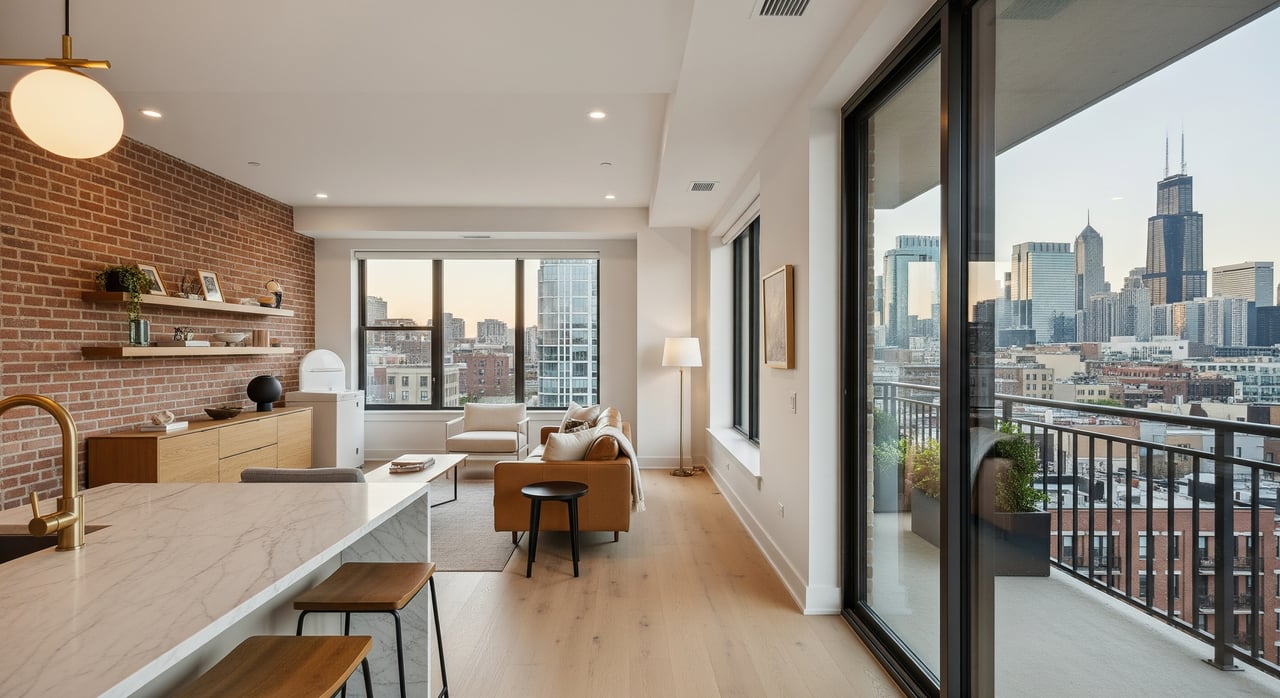
Trying to make sense of what a West Town condo should cost? You are not alone. Between historic walk‑ups, glossy new builds, boutique lofts, and lively retail corridors, one block can shift price and demand. In this guide, you will learn the key property features, micro‑location factors, and financing realities that drive value in Wicker Park, Noble Square, and Ukrainian Village so you can buy or sell with confidence. Let’s dive in.
What shapes West Town condo values
Building age and style
The building’s era and typology set a baseline for value. Renovated historic walk‑ups and loft conversions often command premiums when they preserve character like high ceilings, exposed brick, and oversized windows. Newer mid‑rise buildings tend to fetch higher prices per square foot for modern layouts, elevators, and updated mechanicals.
Age carries trade‑offs. Older structures can have more maintenance needs if systems are not updated, while newer builds offer turnkey convenience. In West Town, both can sell at strong prices when condition and design align with buyer priorities.
Size, layout, and floor
Square footage, bedroom and bath count, and a functional layout are primary drivers of price. Open plans that maximize usable living space typically outperform chopped floor plans. Floor level matters too. Higher floors in mid‑rise buildings often draw premiums for light and reduced street noise, while ground‑level units may trade lower unless they offer exceptional private outdoor space.
Outdoor space that sells
Private outdoor space is a consistent value booster. Balconies, terraces, and roof decks increase desirability and resale, especially when they are large, usable, and well maintained. Shared amenities like roof decks or landscaped courtyards also support pricing when upkeep is strong and access is convenient.
Parking and storage premiums
Deeded indoor parking is a major premium in West Town’s denser pockets. The value difference versus a similar unit without parking is often measured in tens of thousands of dollars, with heated garage spaces at the high end and surface spots lower. Bike storage and private lockers add modest value in this bike‑friendly area.
Amenities, HOAs, and management
Boutique buildings appeal to buyers who prefer lower monthly fees and an intimate feel. Larger buildings offer conveniences like fitness rooms, package areas, and door staff, which can justify higher HOA fees for buyers who use them. The association’s financial health and management quality influence price. Buildings with well‑funded reserves and clear maintenance plans tend to command stronger offers.
Condition and finishes
Turnkey condition sells. Updated kitchens and baths, consistent hardwood flooring, and quality fixtures usually translate into higher per‑square‑foot pricing. Buyers in West Town respond to clean, modern design and thoughtful storage.
Light, views, and noise
Units with open sightlines, skyline angles, or park outlooks often sell for more, particularly on upper floors. Proximity to vibrant corridors like Division and Milwaukee adds lifestyle value, though units immediately next to late‑night venues may see softer demand from noise‑sensitive buyers.
The block matters in West Town
Retail and nightlife proximity
Being near cafés, dining, and shopping is a core draw. Blocks within an easy stroll of Division Street, Milwaukee Avenue, and parts of Damen often see stronger prices because of daily convenience. Buyers balance this with noise and delivery activity, which vary block by block.
Parks and The 606 trail
Access to green space supports value. Proximity to parks and The 606 trail adds recreation and dog‑friendly options that many buyers prioritize. The closer the walk, the stronger the demand, as long as noise and privacy remain acceptable.
Transit and commute
Shorter, simpler commutes increase buyer interest, especially for those working in the Loop or Fulton Market. Being a 3 to 5 minute walk from rapid transit can be materially more valuable than a 12 to 15 minute walk. For planning, review station locations using the City of Chicago’s dataset for CTA rail stations.
Schools and services
Some buyers factor in proximity to certain public or private schools and family services. If schools are part of your decision, verify attendance boundaries and program details directly with providers and district resources before you buy.
Development pipeline and zoning
New projects can change streetscapes and future value. Check for nearby permits or rezonings to understand what may be coming. The City of Chicago’s open data for building permits and the Department of Planning and Development offer helpful context.
Market forces behind the scenes
Inventory and seasonality
Tight inventory favors sellers, leading to multiple offers and stronger prices. When supply rises or during slower seasons, buyers gain negotiation room. Spring and late summer often see more listings and more active buyers.
Appraisals and comps
Appraisers rely on recent closed sales of similar properties, ideally within the same building or on nearby blocks. Unique features like private roof decks or a second parking space need comp support for full credit. If a building has limited recent sales, appraisals can come in conservative relative to ambitious list prices.
Financing and condo approvals
Many lenders require condo projects to meet agency standards. If a building has high delinquency, a large share of commercial space, or pending litigation, certain mortgage options may be limited, which can shrink the buyer pool. Buyers and sellers can review agency guidance through Fannie Mae’s project eligibility and HUD’s FHA condo approval lookup.
Taxes, assessments, and reserves
Carry costs matter to buyers. Annual property taxes and monthly HOA fees shape the monthly budget and perceived value. You can review tax details through the Cook County Assessor. Recent or upcoming special assessments may temporarily soften demand, while strong reserves and completed capital projects often support higher prices.
Investor vs. owner‑occupant demand
Investor interest rises when rent yields are attractive and vacancy is low. Investors focus on association rental policies and net returns. Owner‑occupants tend to pay more for lifestyle features, turnkey condition, and prime micro‑locations.
How to evaluate a specific condo
Use this checklist to compare options and spot value:
- Building profile: Identify age, construction type, and whether it is boutique or amenity‑rich. Review recent capital projects and reserve balances.
- Unit fundamentals: Confirm true square footage, bedroom and bath count, ceiling height, and layout functionality.
- Outdoor space: Note size, orientation, privacy, and condition of any balcony, terrace, yard, or roof deck.
- Parking and storage: Verify deeded status and type of parking, plus storage lockers and bike rooms.
- HOA health: Read the budget, reserves, meeting minutes, and any engineering or reserve studies. Clarify what the monthly fee covers.
- Financing fit: Ask whether the project meets common lending standards and if there are rental caps or short‑term rental rules.
- Noise and light: Visit at different times of day to gauge street activity and natural light.
- Micro‑location: Map your walk to transit, shopping, parks, and daily services. Cross‑check with CTA station data.
- Comps and seasonality: Pull recent closed sales from the local MLS (MRED) and time your move with typical listing cycles.
For broad market context, review the Chicago Association of REALTORS market reports and neighborhood‑level demographics via the U.S. Census American Community Survey.
Micro‑pockets to watch
Wicker Park
Close to iconic retail and dining, Wicker Park’s condos benefit from high walkability and transit access. Boutique lofts and newer mid‑rise buildings sit near active corridors, which boosts convenience but can increase noise on certain blocks. Units with private outdoor space and parking see especially strong interest.
Noble Square
Noble Square offers a mix of classic brick walk‑ups and newer infill construction. Buyers value quick access to transit and the Division Street corridor while enjoying more residential streets on many blocks. Well‑managed boutique buildings often stand out here.
Ukrainian Village
Known for residential character and historic architecture, Ukrainian Village features greystone walk‑ups and tasteful newer builds. Proximity to green space and quieter blocks drives appeal, while select corners near commercial corridors add convenience. Renovated historic units with strong HOA fundamentals can command premium interest.
Planning to sell or buy in West Town?
Price in West Town is a story of details. From ceiling height and outdoor space to HOA reserves and the exact block, small differences add up. If you want a clear, data‑driven plan to price, prepare, and market your condo, or if you are buying and want to spot real value, connect with Anton Ursini for local guidance and a polished, results‑oriented strategy.
FAQs
How much is deeded parking worth in West Town?
- Deeded indoor parking often adds tens of thousands of dollars versus similar units without a space, with heated garage spots at the higher end and surface spots lower.
Do buyers prefer boutique or amenity‑rich buildings in West Town?
- It depends on the buyer, with some prioritizing lower fees and intimate buildings and others seeking concierge‑style amenities; both can sell well when management and condition are strong.
Will a private balcony or roof deck increase my condo’s resale value?
- Yes, private outdoor space is consistently valued in dense neighborhoods and typically boosts resale, especially when it is sizable, sunny, and well maintained.
Can a condo association block certain loans for buyers?
- Potentially, since lenders look at project health and approvals; check Fannie Mae project eligibility and HUD’s FHA condo lookup for guidance.
Where can I find reliable data on West Town condo trends?
- Start with the local MLS (MRED), the Chicago Association of REALTORS market reports, the City of Chicago’s building permits data, and the Cook County Assessor for tax context.